Foremarke Precision

Precision engineered.Built to perform.

Engineering, development and specialist manufacture for demanding motorsport, prototype and low-volume applications.

DesignPractical development from requirement to controlled geometry.
ManufactureOne-off, prototype and low-volume specialist components.
FabricationPurpose-built tubular parts, fixtures and assemblies.
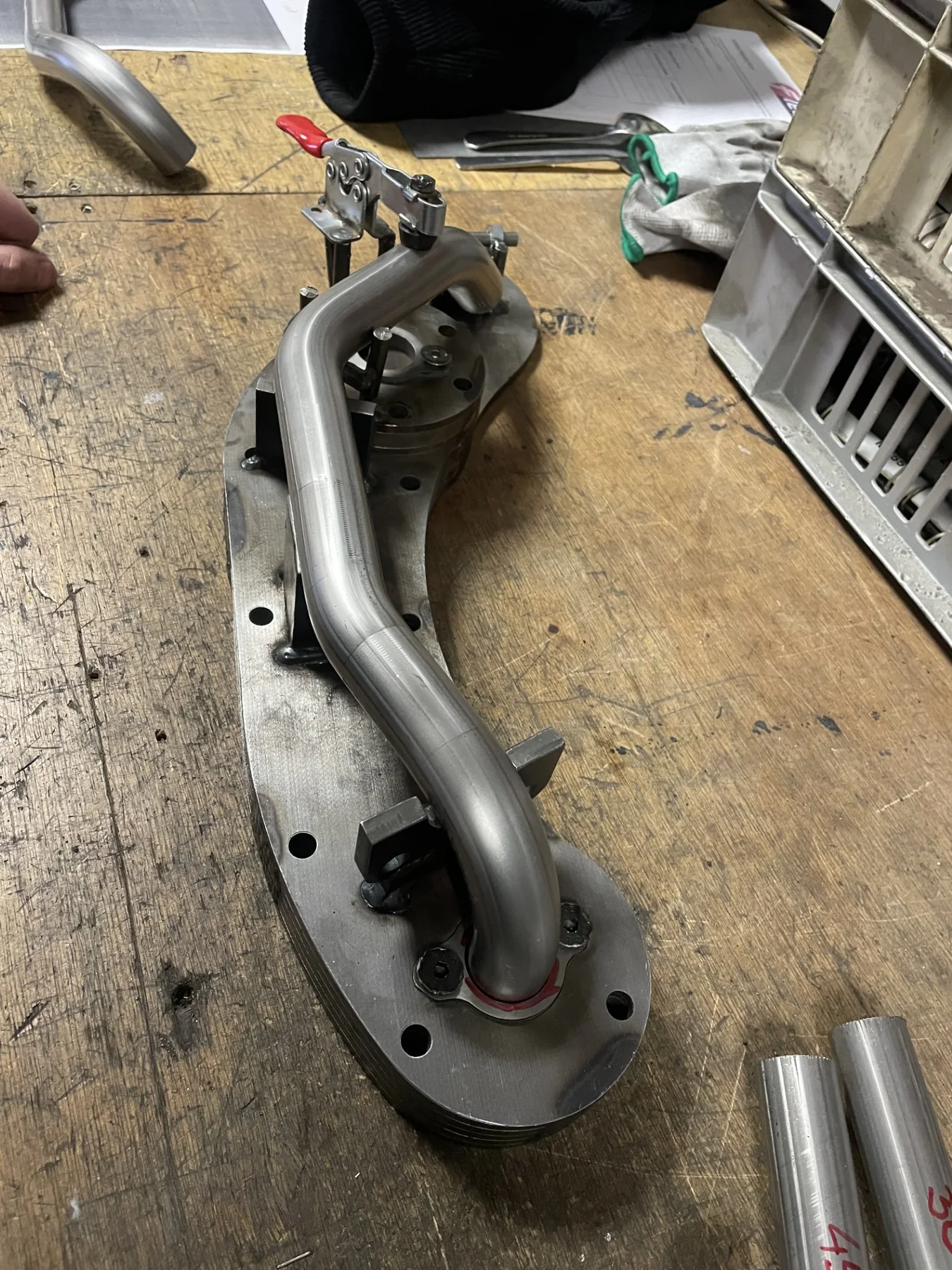
Tubular fabricated component held in a workshop jig
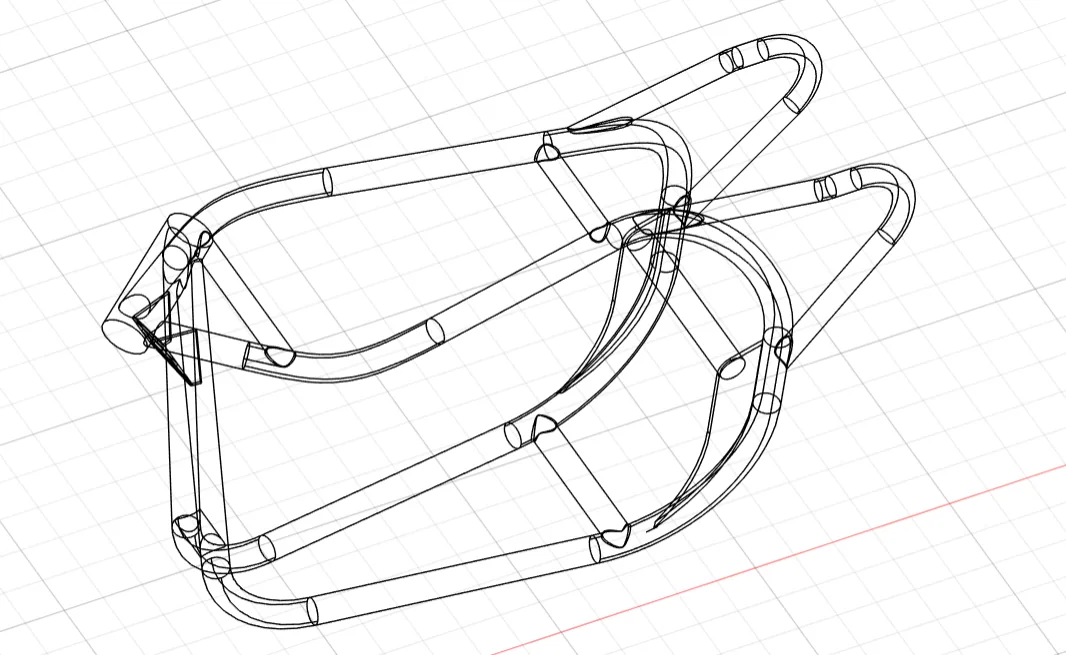
CAD line model of a tubular structure
DESIGN / DEVELOPMENT
FROM CAD TO COMPONENT
MotorsportPrototypePrecision manufactureEngineering development
What we do

From concept to finished component.

Foremarke Precision is built around practical engineering: understand the requirement, develop the right solution and manufacture it with control.

01 / DESIGN

Design & development

Component development, packaging, refinement and design-for-manufacture support.

02 / MANUFACTURE

Precision manufacture

Specialist component manufacture for prototypes, development parts and low-volume production.

03 / FABRICATION

Fabrication & assemblies

Purpose-built fabricated parts and assemblies where strength, packaging and repeatability matter.

04 / DEVELOPMENT

Prototype engineering

Fast, controlled iteration from first-off part through to validated design.

05 / REVERSE ENGINEERING

Legacy & one-off parts

Recreate, improve or replace unavailable components using a manufacture-first approach.

06 / MOTORSPORT

Competition applications

Engineering support for vehicles and systems where packaging, weight and reliability are critical.
Workshop / Development

Engineering you can see.

View selected work →
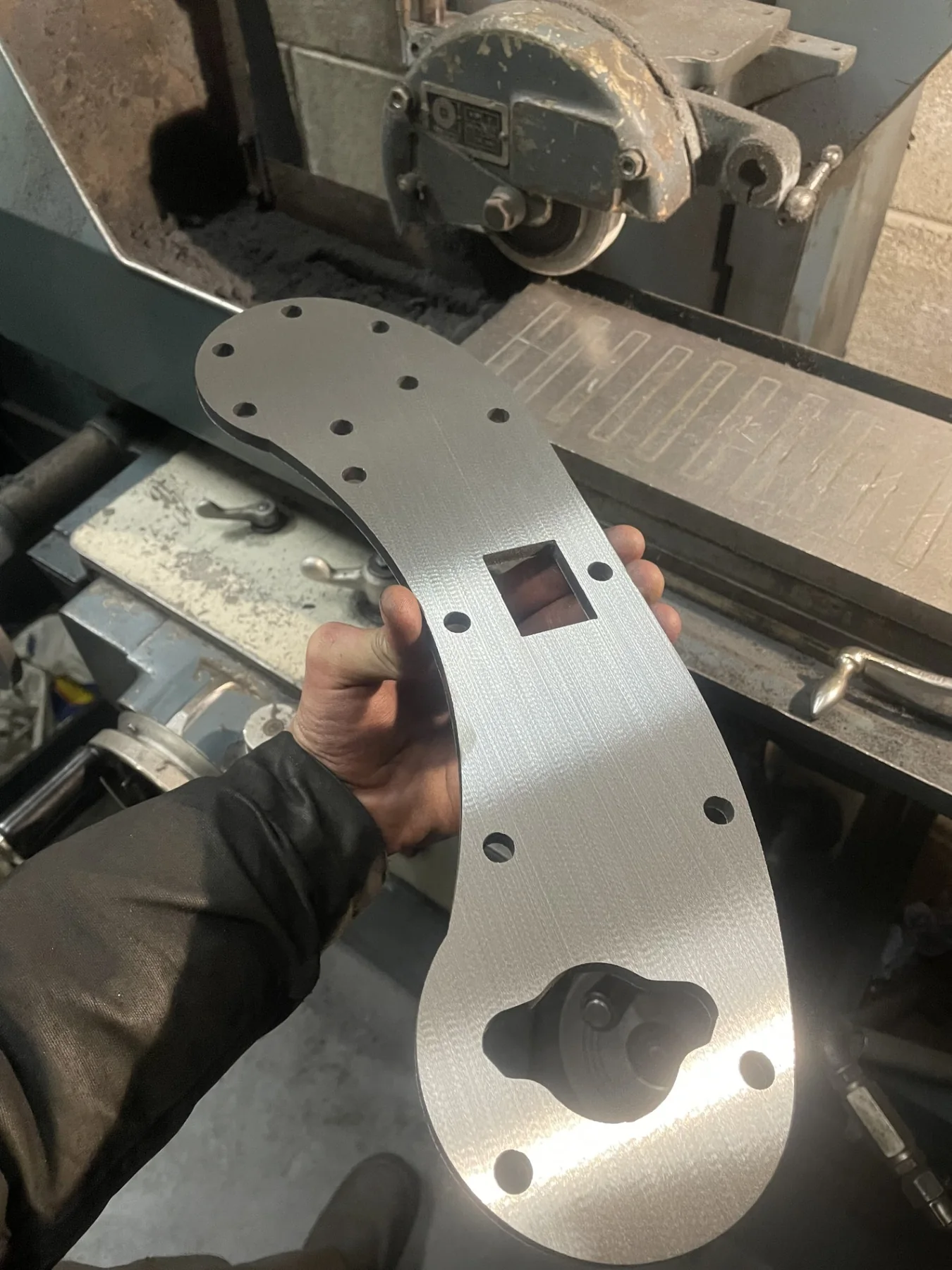
Machined metal plate in a workshop
MachiningFixture & component work
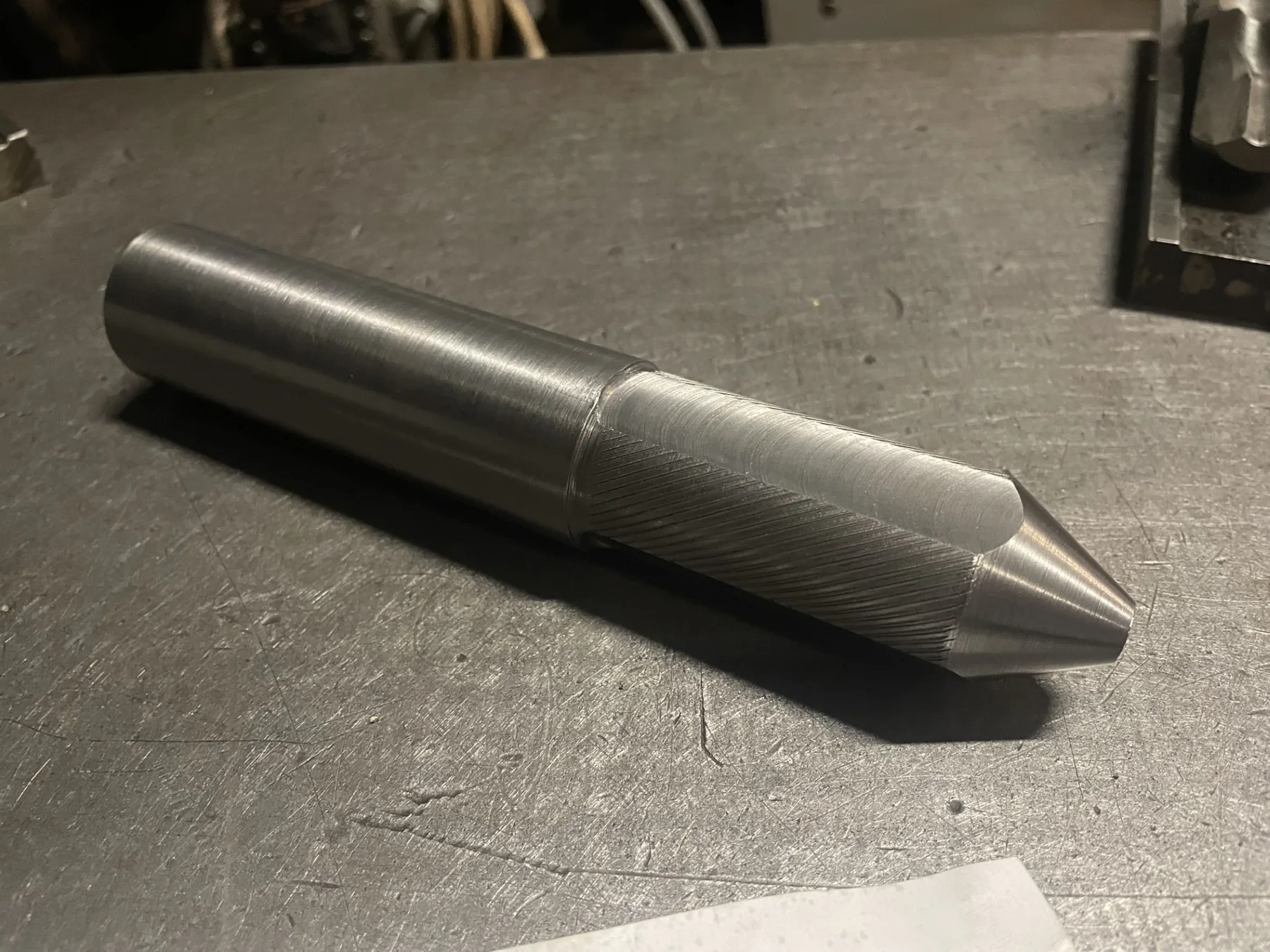
Machined metal component on a workbench
DevelopmentOne-off machined detail
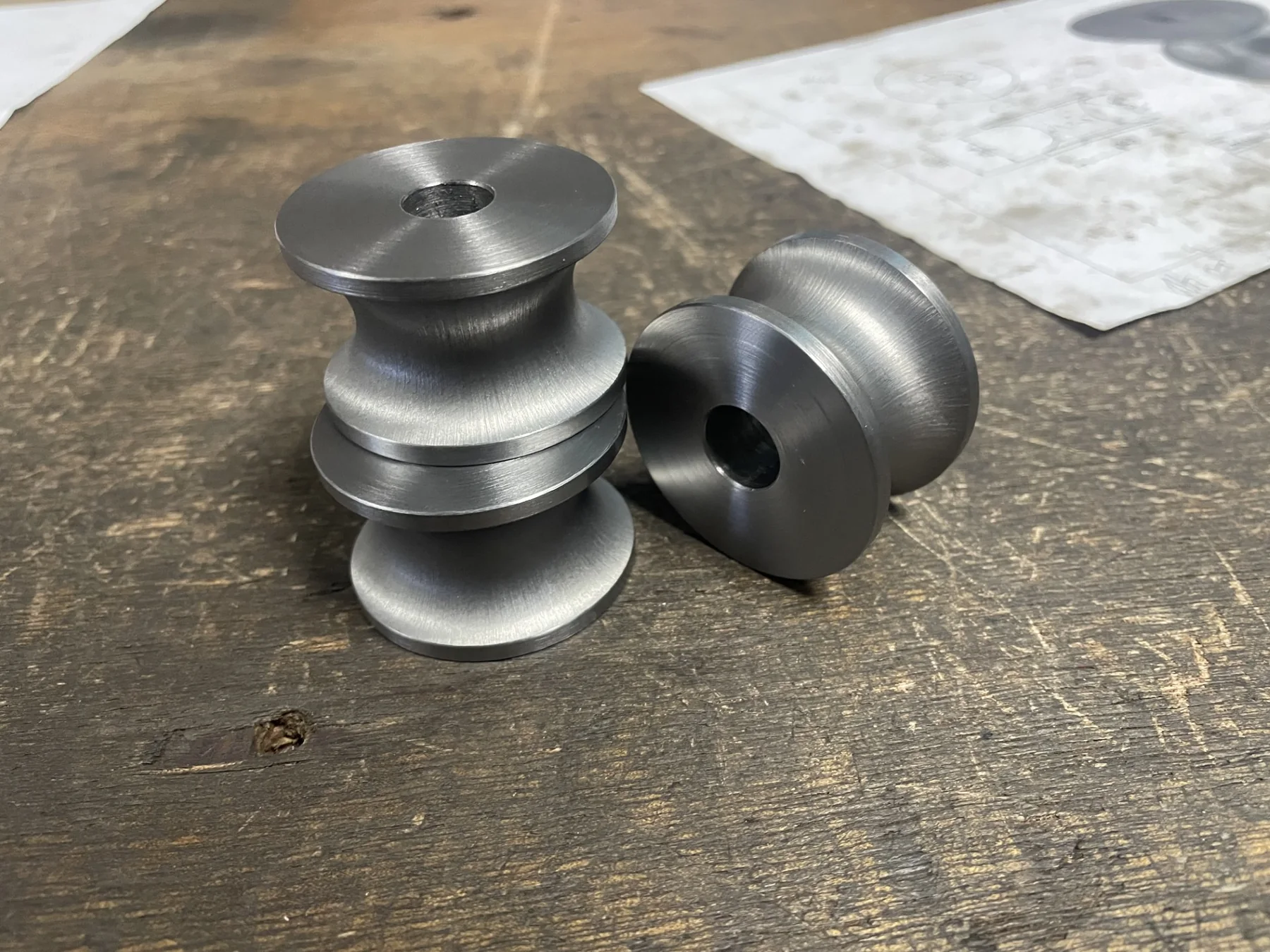
Precision turned metal components
ManufacturePrecision turned details
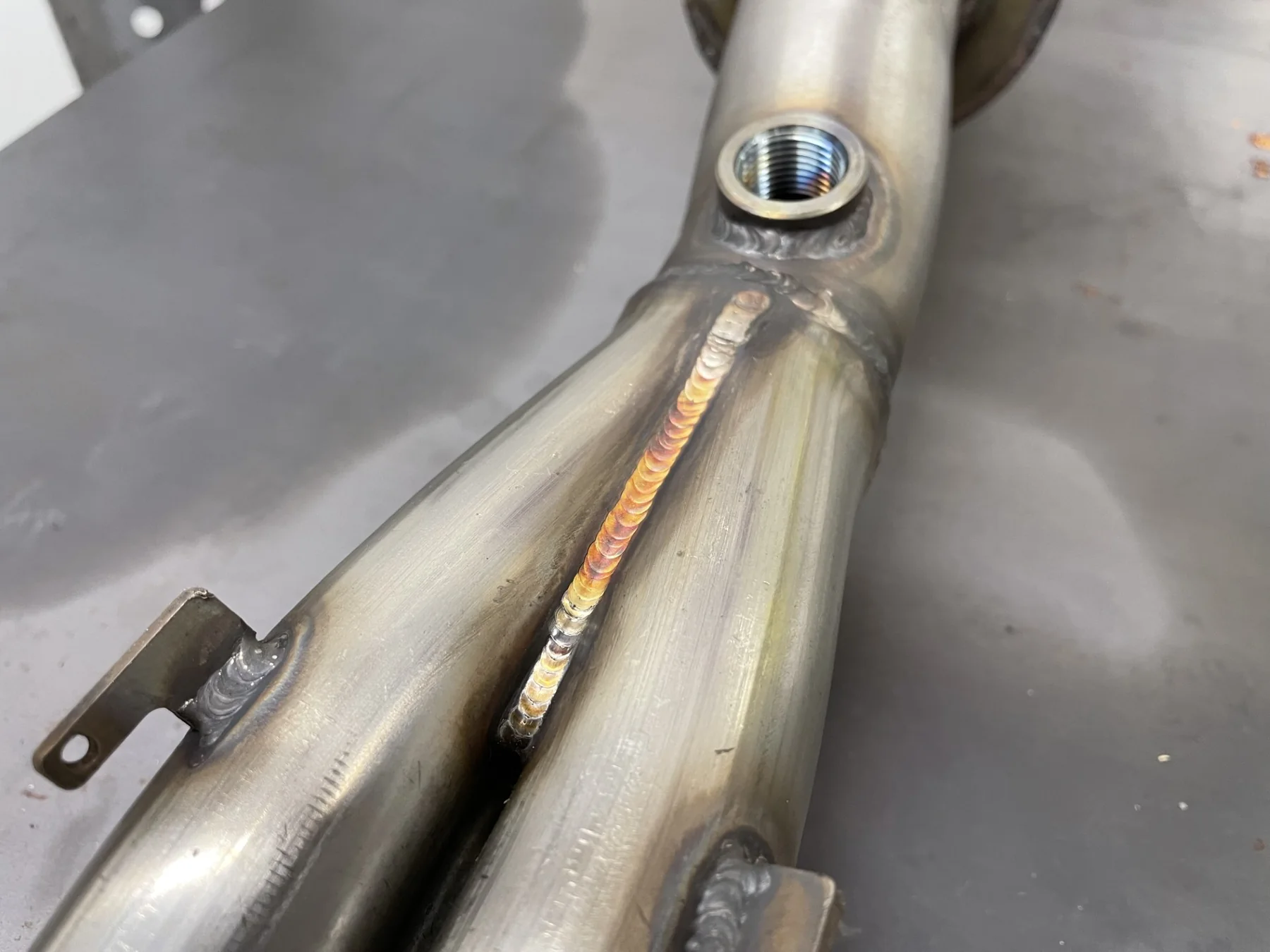
Close-up of a welded tubular component
FabricationControlled welded assembly
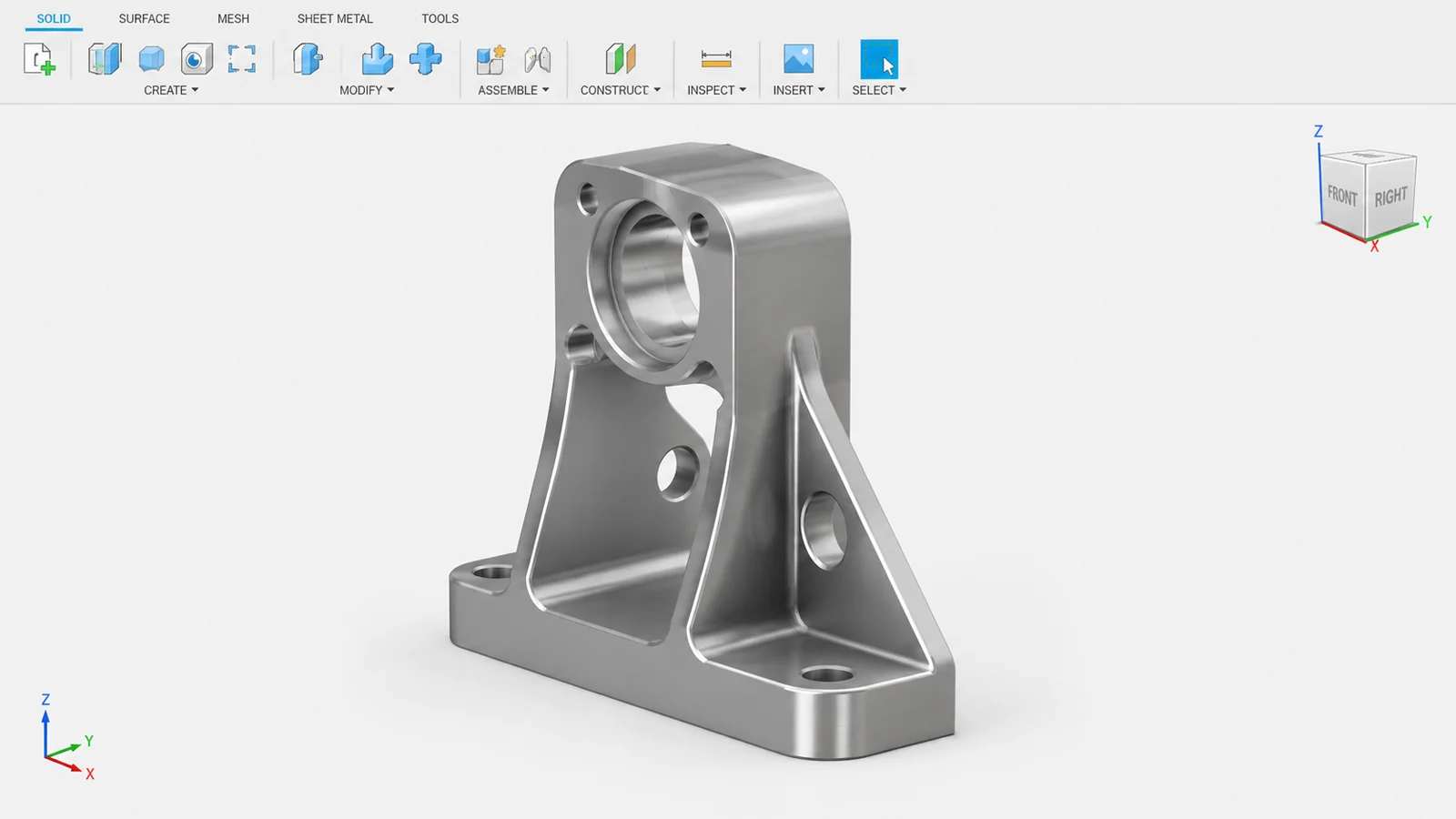
Machined bracket shown as a 3D CAD model
CAD / DEVELOP / MANUFACTURE
The Foremarke approach

Simple, controlled, exact.

Good engineering does not need unnecessary complexity. Every project starts with the functional requirement and works outward from it.

  • Clear technical brief and performance target
  • Manufacturability considered from the beginning
  • Iterative development where it adds value
  • Traceable revisions and controlled project handover
How projects move

A direct route from problem to part.

STEP 01

Define

Establish duty, interfaces, constraints, quantities and success criteria.

STEP 02

Develop

Turn the requirement into a practical, manufacturable engineering solution.

STEP 03

Produce

Manufacture the component or assembly with the required control and finish.

STEP 04

Refine

Review fit, function and feedback, then lock the design for repeat work.

Have a difficult component, system or development job?

Talk to Foremarke